

.jpg) 작성자 : Ethan
작성자 : Ethan재료 및 포장 과학
PET 트레이는 재활용 재료, 버진 플라스틱 또는 이 둘의 혼합으로 만들어졌습니까?
A PET 트레이 순수 플라스틱, 재활용 PET(rPET) 또는 두 가지의 혼합으로 만들 수 있으며 오늘날 대부분의 상업용 PET 트레이는 제조업체, 응용 프로그램 및 지역 재활용 인프라에 따라 10%~100% 범위의 일정 비율의 재활용 콘텐츠를 사용합니다. 직접적인 식품 접촉을 위한 식품 등급 PET 트레이는 일반적으로 비용, 투명도 및 안전성의 균형을 맞추기 위해 순수 수지와 혼합된 식품 등급 재활용 PET에 의존하는 반면, 비식품 포장, 소매 디스플레이 또는 산업 목적으로 사용되는 트레이는 종종 소비 후 재활용 재료의 더 높은 비율을 사용합니다.
Virgin PET: 정의 및 여전히 사용되는 이유
버진 PET(폴리에틸렌 테레프탈레이트)는 주로 정제된 테레프탈산(PTA)과 모노에틸렌 글리콜(MEG)과 같은 석유 유래 단량체에서 직접 생산됩니다. 이전에 가공되거나 재활용된 적이 없기 때문에 버진 PET는 모든 PET 소스 중에서 가장 높은 투명도, 가장 일관된 분자량 및 가장 적은 오염 물질을 제공합니다. 그렇기 때문에 프리미엄 뚜껑이 있는 플라스틱 용기 특히 베이커리 품목, 농산물 또는 델리 제품에 대한 선명한 가시성이 필요한 경우에는 종종 최소 비율의 버진 레진을 지정합니다.
또한 Virgin PET는 열성형 중에 더 예측 가능한 성능을 발휘합니다. 제조업체는 이전 열 주기로 인해 폴리머 사슬이 저하되지 않았기 때문에 더 엄격한 공차로 시트 두께, 광택 및 충격 저항성을 제어할 수 있습니다. 산성 또는 기름진 식품을 담는 의료용 포장이나 트레이와 같은 응용 분야의 경우 이러한 일관성은 미세 균열이나 조기 고장의 위험을 줄여줍니다.
Virgin PET의 장단점
가장 큰 단점은 비용과 환경 영향입니다. 버진 PET 수지 가격은 원유 시장과 밀접하게 연관되어 있어 재활용 수지 가격보다 변동폭이 더 큽니다.
1톤의 순수 PET를 생산하면 대략적인 생산량이 발생합니다. 탄소배출량 2.5배 증가 여러 유럽 포장 협회에서 발표한 수명주기 평가에 따르면 동일한 양의 고품질 rPET를 생산하는 것보다
재활용 PET(rPET): 제조 방법 및 사용처
재활용 PET는 주로 도로변이나 보증금 반환 프로그램을 통해 수집된 소비 후 병에서 나옵니다. 이 공정에는 분류, 조각으로 파쇄, 세척하여 라벨과 접착제 제거, 직접 펠렛화(기계적 재활용) 또는 폴리머를 단량체로 분해하여 재구성(화학적 재활용)이 포함됩니다. 기계적 재활용은 가격이 저렴하고 에너지 사용량이 적기 때문에 훨씬 더 일반적입니다. 그러나 화학적 재활용은 순도 면에서 원래 재료와 거의 구별할 수 없는 수지를 생산합니다.
식품 안전 규제 기관의 승인을 받은 오염 제거 과정을 통과한 rPET만이 식품에 직접 닿을 수 있습니다. 미국에서는 이는 FDA의 이의 없음 서한을 의미합니다. EU에서는 규정 (EC) No 282/2008을 준수해야 합니다. 모든 재활용 스트림이 이 기준을 충족하는 것은 아닙니다. 식품 등급이 아닌 rPET는 직접적인 식품 접촉 트레이에서 떨어져 있어야 합니다.
일반적인 rPET 함량 수준
| 트레이 적용 | 일반적인 rPET 함량 | 식품 접촉 승인됨 |
| 베이커리 및 농산물 트레이 | 25%~50% | 예 |
| 델리 및 고기 트레이 | 30%~70% | 예 |
| 소매용 디스플레이 트레이(비식품) | 50%~100% | 필요하지 않음 |
| 산업용 포장 트레이 | 최대 100% | 필요하지 않음 |
혼합 PET: 업계의 실용적인 중간 지점
오늘날 시중에 나와 있는 대부분의 PET 트레이는 실제로 특정 성능, 비용 및 지속 가능성 목표를 충족하기 위해 선택된 비율로 순수 수지와 재활용 내용물을 결합한 혼합물입니다. 일반적인 혼합물은 광학 선명도를 유지하기 위해 70% 순수 PET와 30% rPET를 사용하는 동시에 100% 순수 수지에 비해 탄소 배출량과 재료 비용을 줄일 수 있습니다. 제조업체는 여러 요인에 따라 이 비율을 조정합니다.
- 명확성 요구 사항 - 순수 함량이 높을수록 농산물 및 베이커리 디스플레이의 투명성이 향상됩니다.
- 구조적 요구 - 냉장 보관 시 균열을 방지해야 하는 트레이는 종종 더 많은 순수 수지를 사용합니다.
- 규제 제한 - 일부 관할권에서는 최소 재활용 함량 비율을 제한하거나 의무화합니다.
- 비용 목표 - rPET는 종종 순수 수지보다 10~20% 저렴하지만 이 격차는 유가와 재활용 용량에 따라 변동됩니다.
또한 혼합을 통해 제조업체는 공급망 변동성을 완화할 수 있습니다. rPET 공급은 지역 수거율에 따라 일관되지 않을 수 있으므로 혼합 제제는 전체 트레이를 재설계하지 않고도 생산 라인에 비율을 약간 변경할 수 있는 유연성을 제공합니다.
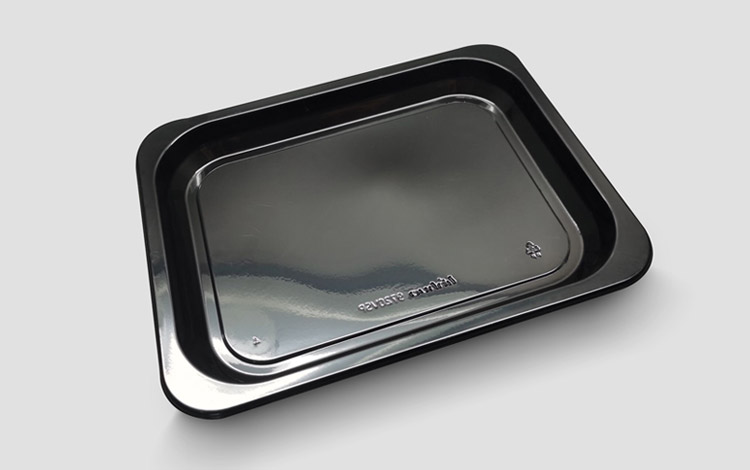
PET 트레이
.jpg)
PET 트레이가 무엇으로 만들어졌는지 확인하는 방법
대부분의 제조업체는 제품 사양서나 수지 식별 코드를 통해 재활용 재료를 공개하지만, 이것이 항상 한 눈에 새 재료와 재활용 재료를 구별하는 것은 아닙니다. 공급업체의 주장을 평가할 때 확인해야 할 사항은 다음과 같습니다.
요청할 서류
- 이상적으로는 제3자가 인증한 재활용 콘텐츠 비율 인증서(예: SCS 글로벌 서비스 또는 GRS 인증을 통해)
- 트레이에 식품이 직접 담기는 경우 식품 접촉 규정 준수 문서
- 생산 실행 전반에 걸쳐 rPET 대 처녀 비율의 일관성을 보여주는 배치 테스트 기록
- 수집 및 세척 기준이 지역에 따라 크게 다르기 때문에 재활용 공급원료의 원산지
대량으로 소싱하는 구매자는 공급업체가 기계적 또는 화학적으로 재활용된 PET를 사용하는지 여부를 물어봐야 합니다. 두 가지 모두 비용 구조가 다르고 식품 직접 접촉에 대한 적합성 수준도 다르기 때문입니다.
구매자가 예상해야 하는 성능 차이
실제적으로 순수 PET 트레이, 재활용 PET 트레이, 혼합 PET 트레이의 차이는 주로 투명도, 기계적 강도, 냄새의 세 가지 영역에서 나타납니다. rPET 함량이 높으면 약간 노란색 또는 회색 색조가 나타날 수 있습니다. 특히 재활용된 공급원료에 분류 중에 완전히 분리되지 않은 유색 병이 포함된 경우 더욱 그렇습니다. 이는 기능적인 문제인 경우는 거의 없지만, 베이커리나 농산물 포장과 같이 시각적 표현에 의존하는 브랜드에는 문제가 될 수 있습니다.
재활용 공정이 잘 제어되면 기계적 강도는 일반적으로 버진 PET와 재활용 PET 간에 비슷하지만, 재활용 주기를 반복하면 점차적으로 분자량이 감소하고 재료가 약간 더 부서지기 쉽습니다. 이것이 바로 대부분의 식품 등급 트레이가 100% rPET를 사용하는 대신 재활용 내용물에 캡을 씌우는 이유입니다. 이는 의도된 용도에 대해 검증된 성능 범위 내에서 재료를 유지합니다.
트레이를 다른 포장 형식과 비교
PET 트레이를 다른 트레이와 비교해 볼 가치가 있습니다. 뚜껑이 있는 플라스틱 용기 폴리프로필렌(PP)이나 폴리스티렌(PS)과 같은 재료로 만들어졌습니다. PET는 일반적으로 PS보다 더 나은 투명도와 재활용성을 제공하고 PP보다 낮은 온도에서 더 나은 강성을 제공합니다. 이는 전자레인지용 형식에서 PP의 인기가 높아짐에도 불구하고 PET가 많은 냉장 및 농산물 포장 응용 분야에서 기본 선택으로 남아 있는 이유 중 하나입니다.
제조 공정이 재료 선택에 미치는 영향
PET 트레이는 거의 항상 열성형을 통해 생산되는데, 이는 가열된 PET 시트를 금형 위에 펴고 진공 성형하여 모양을 만드는 공정입니다. 이 과정에서 천연 수지와 재활용 수지의 거동은 동일하지 않으며 제조업체는 사용 중인 재료 혼합에 따라 장비를 다르게 보정해야 합니다.
버진 PET 시트는 보다 균일한 용융 점도를 갖는 경향이 있어 딥드로잉 트레이 전체에서 일관된 벽 두께를 더 쉽게 얻을 수 있습니다. 재활용 PET, 특히 사용 후 혼합된 흐름에서 공급되는 재료는 배치마다 약간 더 큰 변동성을 가질 수 있습니다. 수지의 고유 점도(IV)는 이미 용융 및 개질 사이클을 거친 횟수에 따라 달라지기 때문입니다. 평판이 좋은 제조업체는 여러 rPET 로트를 함께 혼합하여 IV 변형을 평균화하고 생산 중에 품질 검사를 더 자주 실행하여 이를 관리합니다.
이것이 구매자에게 중요한 이유
자동화된 포장 라인용 트레이를 구매하는 경우 두께 일관성은 트레이가 장비에 안착되고, 필름 뚜껑으로 밀봉되고, 배송을 위해 적재되는 신뢰성에 직접적인 영향을 미칩니다. 공급업체에 IV 제어 프로세스와 처리 전에 들어오는 rPET 플레이크를 테스트하는지 여부를 문의하십시오. 자세히 답변할 수 없는 공급업체는 통제되고 품질이 보장된 공급망을 통하기보다는 기회에 따라 rPET를 소싱할 수 있습니다.
평가할 비용 및 공급망 요소
구매자는 순수 수지와 재활용 수지의 단위당 가격 차이 외에도 공급망 안정성을 고려해야 합니다. Virgin PET 가격은 전 세계 석유 및 PTA/MEG 공급원료 시장을 매우 밀접하게 추적합니다. 즉, 더 넓은 상품 주기에 따라 가격이 급등하거나 하락할 수 있음을 의미합니다. 재활용 PET 가격은 지역별 병 수거율, 음료 회사와의 경쟁, 지역 재생 시설의 수용 능력 등 다양한 요소의 영향을 받습니다.
일부 지역에서는 음료 브랜드의 강한 수요로 인해 실제로 특정 기간 동안 rPET 가격이 순수 PET 가격보다 높아져 전통적으로 재활용 재료가 가졌던 비용 이점이 반전되었습니다. 이는 많은 트레이 제조업체가 고정된 비율을 약속하기보다는 유연한 혼합 비율을 유지하는 중요한 이유입니다. 이를 통해 트레이의 디자인이나 인증을 변경하지 않고도 주어진 시간에 더 이용 가능하고 비용 효율적인 재료로 소싱을 전환할 수 있습니다.
연간 공급 계약을 협상하는 구매자의 경우 가격이 고정된 수지 혼합물에 고정되어 있는지 아니면 시장 상황에 따라 변동되도록 허용되는지 물어볼 가치가 있습니다. 플로팅 블렌드는 비용 절감 효과를 제공할 수 있지만 외관 및 IV 가변성 문제가 발생할 수 있으므로 가격 유연성과 제품 균일성 사이에 균형이 유지되는 경우가 많습니다.
재료 유형 선택 시 지속 가능성 고려 사항
지속 가능성 지표를 추적하거나 ESG 공개를 준비하는 기업의 경우 포장의 재활용 함량 비율이 점점 더 중요해지고 있습니다. 현재 몇몇 주요 소매업체에서는 환경 보호 노력의 일환으로 공급업체로부터 최소 재활용 함량 기준(보통 30% 이상)을 요구하고 있습니다. 혼합형 또는 높은 rPET 트레이를 선택하면 포장 사양을 처음부터 다시 설계하지 않고도 이러한 요구 사항을 충족하는 데 도움이 될 수 있습니다.
PET 트레이s, regardless of their virgin-to-recycled ratio, remain widely recyclable through standard curbside programs in most regions, provided they're a single-material tray without foil laminates or mixed-material lids. This closed-loop potential is one of the key reasons PET continues to be favored over less recyclable plastics for both food packaging and general-purpose 일회용 식품 용기 .
자주 묻는 질문
100% 재활용 PET는 식품에 안전한가요?
예, rPET가 FDA 또는 EFSA에서 승인한 식품 등급 재활용 방법을 통해 처리된 경우에 한합니다. 모든 rPET가 이 표준을 충족하는 것은 아니므로 기본적으로 모든 재활용 재료가 식품에 안전하다고 가정하기보다는 인증을 확인하는 것이 중요합니다.
재활용된 내용물이 트레이 가격에 큰 영향을 미치나요?
일반적으로 rPET의 비용은 순수 PET보다 10~20% 저렴하지만 유가와 지역 재활용 용량에 따라 격차가 줄어들거나 넓어집니다. 대량 구매자는 일반 업계 평균에 의존하기보다는 현재 가격을 요청해야 합니다.
맞춤형 순수 대 재활용 비율을 요청할 수 있나요?
대부분의 제조업체는 대량 주문의 경우 혼합 비율을 조정할 수 있지만 일반적으로 맞춤형 제제의 경우 최소 주문 수량이 적용됩니다. 표준 비율은 소규모 실행에 더 비용 효율적입니다.
.jpg?imageView2/2/w/600/h/600/format/webp/q/75)



게시 코멘트